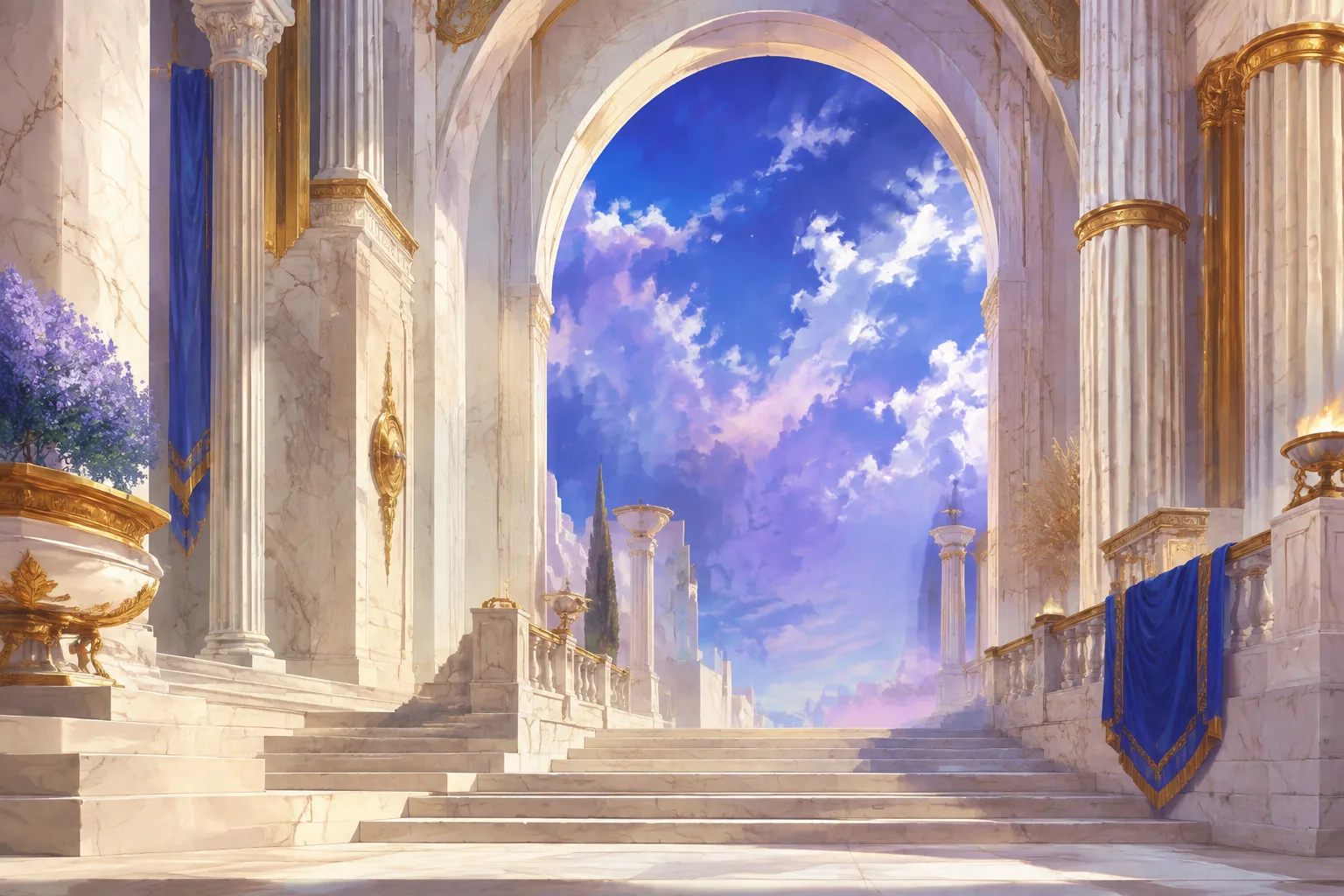
Pantheon
The Pantheon as a Reading Map
Names and relationships help readers navigate myths without flattening them.
AI-assisted editorial draft · human editor pending ·
Read the story ↗Pantheon, architecture and image reading
A calm educational journal about divine figures, architectural settings and the line between historical evidence and modern atmosphere.
A guide to figures and stories without pretending there is only one ancient version.
02 · ArchitectureColumns, stairs, pediments and the spaces used to frame divine imagery.
03 · Image ReadingTools for reading contemporary classical images responsibly.
Featured stories
Each article has a clear opening, practical sections, a working takeaway and source notes for factual claims.
Pantheon
Names and relationships help readers navigate myths without flattening them.
AI-assisted editorial draft · human editor pending ·
Read the story ↗Architecture
A building's approach, threshold and background shape the image of a divine figure.
AI-assisted editorial draft · human editor pending ·
Read the story ↗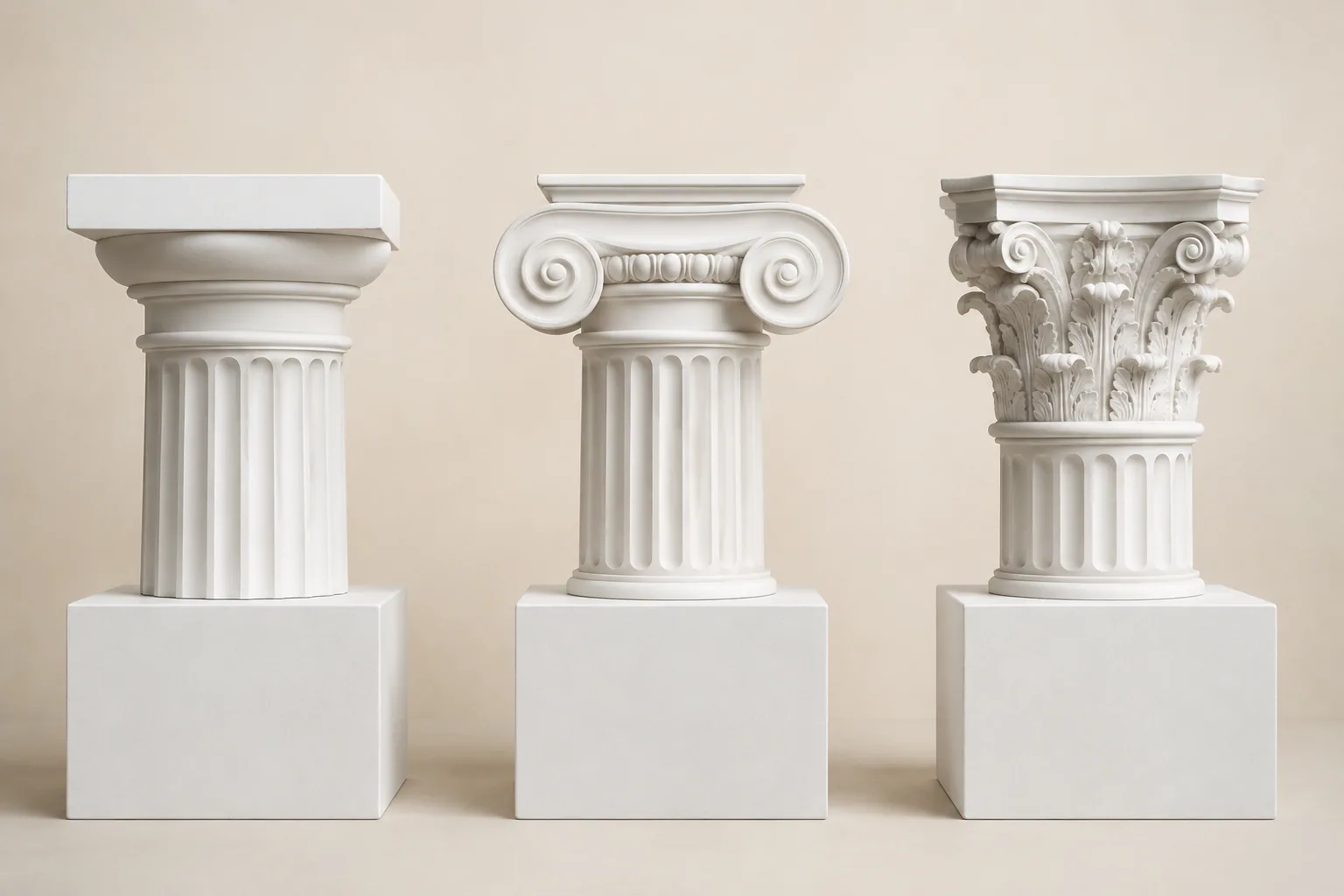
Architecture
Columns can signal scale and formality without proving a specific site.
AI-assisted editorial draft · human editor pending ·
Read the story ↗Image Reading
Visible signs begin a question; inscriptions and records answer it.
AI-assisted editorial draft · human editor pending ·
Read the story ↗
Image Reading
Atmosphere is one of the places where fantasy enters the picture.
AI-assisted editorial draft · human editor pending ·
Read the story ↗Pantheon
A source-aware article names which ancient account it follows.
AI-assisted editorial draft · human editor pending ·
Read the story ↗Guide table
No rankings, no exaggerated claims; just observable features and responsible editorial use.
| Subject | Visible features | Responsible editorial use |
|---|---|---|
| Textual figure | Known through ancient writing | Name the author or tradition |
| Architectural setting | Known through surviving sites or records | Do not infer a site from mood |
| Modern image | New composition using old cues | Caption as interpretation |
Editorial method
The reference standard is simple: observe first, explain second, and label modern imagery honestly.
Shape, light, surface and surrounding space come before interpretation.
A museum, agency or education source supports factual context.
Captions name whether the image is original, generated, photographed or documented.
The source register explains what each link actually supports.
Sources
Sources are included to support nearby educational claims. A link does not mean the institution endorses this site, and a modern image is not treated as documentation.
Museum overview of Greek architectural form, orders and materials.
Museum essay on ancient Greek religious practice and divine figures.
Primary-text oriented mythological reference for named Olympian figures.
Teaching framework for color, line, shape, form and texture.
Olympian Forms Journal covers a calm educational journal about divine figures, architectural settings and the line between historical evidence and modern atmosphere.
No. These are editorial draft sites with articles, image notes, sources and no commercial offers.
No. Local visuals are contemporary editorial assets unless a page explicitly links to an external documented source.
Each story includes source notes, and the Sources & Image Credits page gathers the full register.
Reuse requires permission from the verified rights holder and review of the final publication terms.